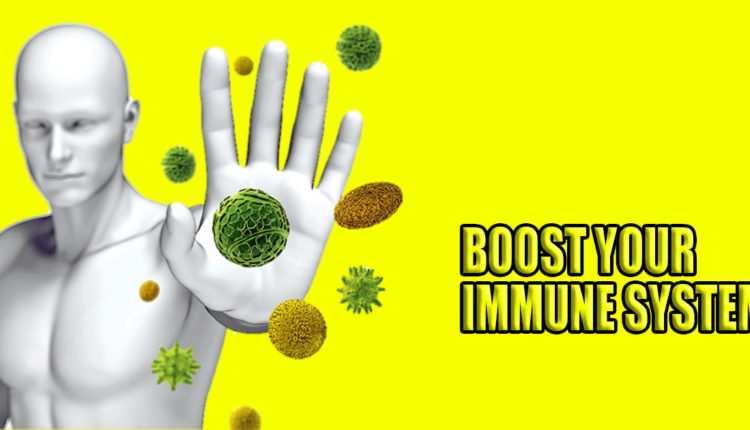
The immune system is a large network of organs, white blood cells, proteins (antibodies) and chemicals. This system works together to protect you from foreign invaders (bacteria, viruses, parasites, and fungi) that cause infection, illness and disease. Feeding the body certain foods may help keep the immune system strong. If you’re looking for ways to prevent winter colds and the flu or even the new Coronavirus then read this information.
Plan your meals to include these 10 powerful immune system boosters.
1. Citrus fruits: Vitamin C helps build up the immune system and thought to increase the production of white blood cells. These are key to fighting infections. Popular citrus fruits include clementines, lemons, limes, grapefruit, oranges, tangerines. The body does not produce or store it therefore vitamin C is needed daily for continued health. Almost all citrus fruits are high in vitamin C.
2. Yogurt: Getting plain yogurts rather than the kinds that are preflavored and loaded with sugar may stimulate the immune system to help fight diseases . Plain yogurt can be sweetened with healthy fruits and a drizzle of honey instead. Yogurt can also be a great source of vitamin D, so try to select brands fortified with vitamin D. Vitamin D helps regulate the immune system and is thought to boost our body’s natural defenses against diseases.
3. Broccoli: Broccoli is supercharged with vitamins and minerals. Packed with vitamins A, C, and E, as well as many other antioxidants and fiber, broccoli is one of the healthiest vegetables. The key to keeping its power intact is to cook it as little as possible or not at all.
4. Red Bell Pepper: Red bell peppers contain twice as much vitamin C as citrus. They’re also a rich source of beta carotene. Besides boosting the immune system, vitamin C may help maintain healthy skin. Beta carotene helps keep eyes and skin healthy.
5. Garlic: Garlic is found in almost every cuisine in the world. Early civilizations recognized its value in fighting infections. Garlic’s immune-boosting properties seem to come from a heavy concentration of sulfur-containing compounds, such as allicin. According to the National Center for Complementary and Integrative Health Trusted Source, garlic may also help lower blood pressure and slow down hardening of the arteries.
6. Ginger: Ginger may help decrease inflammation, which can help reduce a sore throat and other inflammatory illnesses. Ginger may also help decrease nausea. According to recent animal research Trusted Source, Ginger may help decrease chronic pain and may possess cholesterol-lowering properties.
7. Spinach: Spinach is rich in vitamin C, it is also packed with numerous antioxidants and beta carotene, which may increase the infection-fighting ability of the immune systems. Similar to broccoli, spinach is healthiest when it’s cooked as little as possible so that it retains its nutrients. However, light cooking enhances its vitamin A and allows other nutrients to be released from oxalic acid. 8. Almonds: Nuts, such as almonds, are packed with the vitamin and also have healthy fats. A half-cup serving, which is about 46 whole, shelled almonds, provides nearly 100 percent of the recommended daily amount of vitamin E. Vitamin E tends to take a backseat to vitamin C when it comes to preventing and fighting off colds,. However, vitamin E is the key to a healthy immune system. It’s a fat-soluble vitamin, meaning it requires the presence of fat to be absorbed properly.
9. Turmeric: Turmeric is the key ingredient in many curries. It is a bright yellow, bitter spice and has also been used for years as an anti-inflammatory in treating both osteoarthritis and rheumatoid arthritis.
10. Green Tea: Green and black teas are packed with flavonoids, a type of antioxidant. Epigallocatechin gallate, or EGCG is another powerful antioxidant that has been shown to enhance immune function. The fermentation process black tea goes through destroys a lot of the EGCG. Green tea, on the other hand, is steamed and not fermented, so the EGCG is preserved. Green tea is also a good source of the amino acid L-theanine. L-theanine may aid in the production of germ-fighting compounds in T-cells.
 LIWONDER FOODHEALTH BLOG