Category Archives: HEALTH INFO

Good health is wealth

The Benefits of Garlic

Garlic is a vegetable that belongs to the onion family. It has a pungent, spicy flavor that mellows and sweetens with cooking. Although garlic is a vegetable, it is more commonly used to flavor foods. Garlic, also known as lehsun in Hindi, has been used since ages for its medicinal properties. The plant is native to Central Asia and available in various forms including raw garlic, powder, oil and supplements. Garlic is a rich source of vitamins and minerals such as Vitamin B1, B2, B3, B6, folate, magnesium, phosphorus, sodium, zinc, iron, manganese, calcium among others.

Garlic (Allium sativum L.) is one of the oldest plants cultivated for its dietary and medicinal values. Garlic has attracted particular attention of modern medicine because of its widespread health use around the world, and the cherished belief that it helps in maintaining good health warding off illnesses and providing more vigor. To date, many favorable experimental and clinical effects of garlic preparations, including garlic extract, have been reported. These biological responses have been largely attributed to

  • Reduction of risk factors for cardiovascular diseases and cancer
  • Stimulation of immune function
  • Enhanced detoxification of foreign compound
  • Hepatoprotection
  • Antimicrobial effect
  • Antioxidant effect

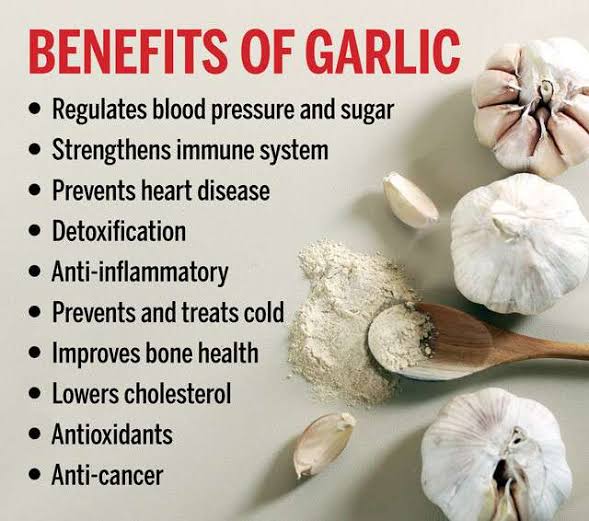
Garlic is delicious and easy to add to your diet. You can use it in savory dishes, soups, sauces, dressings, and more. The benefits of garlic includes:

1. Regulates Blood Pressure and Sugar

Garlic regulate to the heart to pump blood at a regular rate. It does not only helps avoid hypertension but also cardiovascular problems. Hypertension may often lead to strokes and heart attacks. Garlic has an anticoagulant properties help make the blood thinner which ensures that blood circulation is not affected in any way. Though, having too much garlic could cause acidic reflux so it make use moderately. The anticoagulant property of garlic also prevents strokes and heart attacks. Garlic tea is best for people who are not allowed to have regular tea due to high blood pressure or high blood sugar. Garlic tea does not have any caffeine, which makes it good for people who are avoiding caffeine. Garlic has antibacterial and antiviral properties, in fact you can also add some ginger and cinnamon to the garlic tea, to improve its health benefits and enhance the taste. Not just this, garlic boosts your immune system, increases your energy levels and improves your metabolism.

2. Strengthen Immune System

Garlic has been used as an antiseptic, antibacterial, and antifungal agent. It may help the body resist or destroy viruses and other microorganisms. It does this by boosting the immune system.

3. Prevents Heart Disease

Garlic and its preparations have been widely recognized as agents for prevention and treatment of cardiovascular and other metabolic diseases, atherosclerosis, hyperlipidemia, thrombosis, hypertension and diabetes. Garlic regulate to the heart to pump blood at a regular rate. It does not only helps avoid hypertension but also cardiovascular problems. Hypertension may often lead to strokes and heart attacks.

4. Detoxification

Garlic has the ability to detoxify the body by reducing many clinical signs of toxicity. Garlic also has the ability to deal with headaches and colds that may have been caused by toxicity.

5. Anti-inflammatory

Garlic contains allyl sulfides, an anti-inflammatory, cancer-fighting compound that slow the growth rate of cancer cells. Garlic as anti-inflammatory, means it also helps protect the body from free radicals. Research has shown that garlic oil works as an anti-inflammatory.

6. Prevents and Treats Cold

Garlic supplements have the ability to lower the chances of getting colds as a result of the antioxidants and antimicrobial properties.

7. Improve Bone Health

Garlic appears to have some benefits for bone health by increasing estrogen levels in females, but more human studies are needed.

8. Lower Cholesterol

Garlic supplements are known to reduce cholesterol levels. Cholesterol levels are risk factors for heart disease. Garlic actually protects your cholesterol from spiking. Garlic supplements seem to reduce total and low density lipoprotein (LDL) which is a bad cholesterol, particularly in those who have high density lipoprotein (HDL) which is a good cholesterol and triglycerides do not seem to be affected.

9. Antioxidants

Garlic is an antioxidants prevents both the damage and death of cells that can cause different health problems in the body such as cancer, diabetes, and heart problems. Garlic contains antioxidants that can help protect against cell damage and aging. It may reduce the risk of Alzheimer’s disease and dementia.

10. Anti-cancer

Garlic and garlic derived compounds reduce the development of mammary cancer in animals and suppress the growth of human breast cancer cells in culture. Among the various beneficial pharmacological effects of garlic, the anticancer activity is presumably the most studied. The consumption of garlic provides strong protection against cancer risk. Taking into account the multi-targeted actions and absence of considerable toxicity, a few active metabolites of garlic are probably to play crucial roles in the killing of cancerous cells. Garlic contains several bioactive molecules with anticancer actions and these include diallyl trisulfide, allicin, diallyl disulfide, diallyl sulfide, and allyl mercaptan.
Foods That Boost Immune System

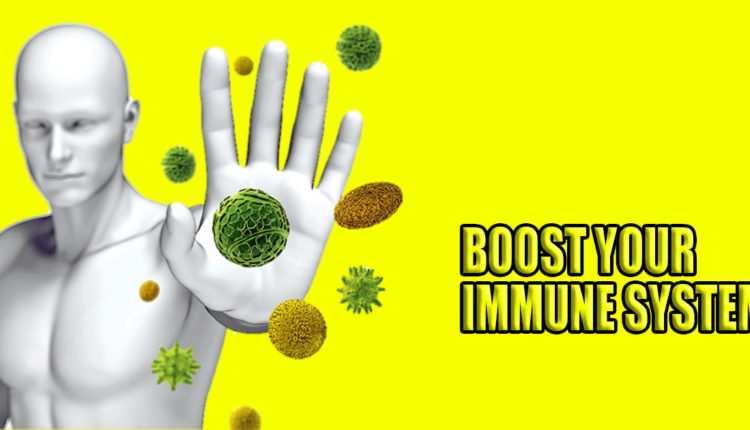
The immune system is a large network of organs, white blood cells, proteins (antibodies) and chemicals. This system works together to protect you from foreign invaders (bacteria, viruses, parasites, and fungi) that cause infection, illness and disease. Feeding the body certain foods may help keep the immune system strong. If you’re looking for ways to prevent winter colds and the flu or even the new Coronavirus then read this information.

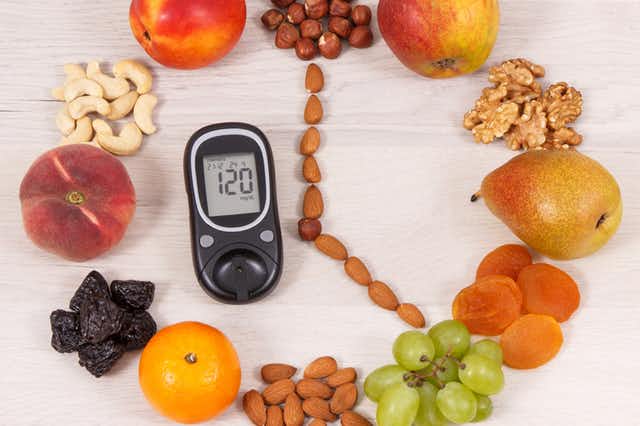
Plan your meals to include these 10 powerful immune system boosters.

1. Citrus fruits: Vitamin C helps build up the immune system and thought to increase the production of white blood cells. These are key to fighting infections. Popular citrus fruits include clementines, lemons, limes, grapefruit, oranges, tangerines. The body does not produce or store it therefore vitamin C is needed daily for continued health. Almost all citrus fruits are high in vitamin C.

2. Yogurt: Getting plain yogurts rather than the kinds that are preflavored and loaded with sugar may stimulate the immune system to help fight diseases . Plain yogurt can be sweetened with healthy fruits and a drizzle of honey instead. Yogurt can also be a great source of vitamin D, so try to select brands fortified with vitamin D. Vitamin D helps regulate the immune system and is thought to boost our body’s natural defenses against diseases. 

3. Broccoli: Broccoli is supercharged with vitamins and minerals. Packed with vitamins A, C, and E, as well as many other antioxidants and fiber, broccoli is one of the healthiest vegetables. The key to keeping its power intact is to cook it as little as possible or not at all.

4. Red Bell Pepper: Red bell peppers contain twice as much vitamin C as citrus. They’re also a rich source of beta carotene. Besides boosting the immune system, vitamin C may help maintain healthy skin. Beta carotene helps keep eyes and skin healthy.

5. Garlic: Garlic is found in almost every cuisine in the world. Early civilizations recognized its value in fighting infections. Garlic’s immune-boosting properties seem to come from a heavy concentration of sulfur-containing compounds, such as allicin. According to the National Center for Complementary and Integrative Health Trusted Source, garlic may also help lower blood pressure and slow down hardening of the arteries.

6. Ginger: Ginger may help decrease inflammation, which can help reduce a sore throat and other inflammatory illnesses. Ginger may also help decrease nausea. According to recent animal research Trusted Source, Ginger may help decrease chronic pain and may possess cholesterol-lowering properties.

7. Spinach: Spinach is rich in vitamin C, it is also packed with numerous antioxidants and beta carotene, which may increase the infection-fighting ability of the immune systems. Similar to broccoli, spinach is healthiest when it’s cooked as little as possible so that it retains its nutrients. However, light cooking enhances its vitamin A and allows other nutrients to be released from oxalic acid. 8. Almonds: Nuts, such as almonds, are packed with the vitamin and also have healthy fats. A half-cup serving, which is about 46 whole, shelled almonds, provides nearly 100 percent of the recommended daily amount of vitamin E. Vitamin E tends to take a backseat to vitamin C when it comes to preventing and fighting off colds,. However, vitamin E is the key to a healthy immune system. It’s a fat-soluble vitamin, meaning it requires the presence of fat to be absorbed properly.

9. Turmeric: Turmeric is the key ingredient in many curries. It is a bright yellow, bitter spice and has also been used for years as an anti-inflammatory in treating both osteoarthritis and rheumatoid arthritis.

10. Green Tea: Green and black teas are packed with flavonoids, a type of antioxidant. Epigallocatechin gallate, or EGCG is another powerful antioxidant that has been shown to enhance immune function. The fermentation process black tea goes through destroys a lot of the EGCG. Green tea, on the other hand, is steamed and not fermented, so the EGCG is preserved. Green tea is also a good source of the amino acid L-theanine. L-theanine may aid in the production of germ-fighting compounds in T-cells.

Limited Eating Times Could Be A New Way Fighting Obesity And Diabetes

The time of eating food should be controlled. Excess of food can lead to overweight and obesity. Obesity is a complex disease that occurs when an individual’s weight is higher than what is considered healthy for his or her height. Obesity affects children as well as adults. Many factors can contribute to excess weight gain including eating patterns, physical activity levels, and sleep routines. The main symptom of obesity is excessive body fat.

According to World Health Organization (WHO) overweight and obesity are defined as abnormal or excessive fat accumulation that presents a risk to health. A body mass index (BMI) over 25 is considered overweight, and over 30 is obese.

Over eating can lead to weight gain. Weight gain increases the risk of developing diabetes. When someone carry excess weight, especially around the abdomen, the risk of diabetes increases. The endocrine system which controls diabetes is affected by the extra pounds which in turn affects the pancreas and insulin production and can lead to insulin resistance.

Becoming overweight through over eating is the biggest diet-related risk factor for type 2 diabetes. Although many people mistakenly believe that eating too much sugar leads to diabetes, the truth is that eating too much of any type of food may raise the risk of diabetes. This is because most of the food eat is converted to sugar (glucose) in your body. Consuming sugary foods may increase how fast your blood glucose level rises, but overeating any food increases the total amount of sugar you have in your blood.

The Link Between Obesity and Diabetes

For type 2 diabetes, this includes being overweight or obese (having a body mass index – BMI – of 25 or greater). Obesity is believed to account for 80-85% of the risk of developing type 2 diabetes

Conclusion

There is a strong link between obesity and diabetes. Having excess body fat is a risk factor for type 2 diabetes, and it can negatively affect a person’s health in other ways. To help manage and potentially prevent diabetes, it is advisable for a person to maintain a moderate weight. Strategies to achieve this include getting regular exercise, consuming a varied eating plan, and controlling portion sizes of the food been consumed.

Myth – Sugar and Diabetes

What is sugar?


Sugar is found naturally in fruit, vegetables and dairy foods. It’s also added to food and drink by food manufacturers, or by ourselves at home. Sugars mostly make up carbohydrates which are either simple or complex.

Simple carbohydrates are fast – digesting sugars. Sugars such as glucose and fructose are examples of simple sugars while complex carbohydrates are naturally occurring sugars in whole foods that takes longer time to digest. Carbohydrates are a broad category of macronutrients so it cannot be eliminated completely but the intake can be reduced.

White sugar, also called granulated sugar or table sugar, is made from refined sugar cane or sugar beets while caster sugar is a refined white sugar with especially small granules that is often used in baked goods, drinks, and desserts like mousse and custard, and is strongly preferred for meringues.

Types of Sugar

  • Glucose
  • Fructose (known as fruit sugar)
  • Sucrose (known as table sugar)
  • Lactose (known as dairy sugar)

What is Diabetes

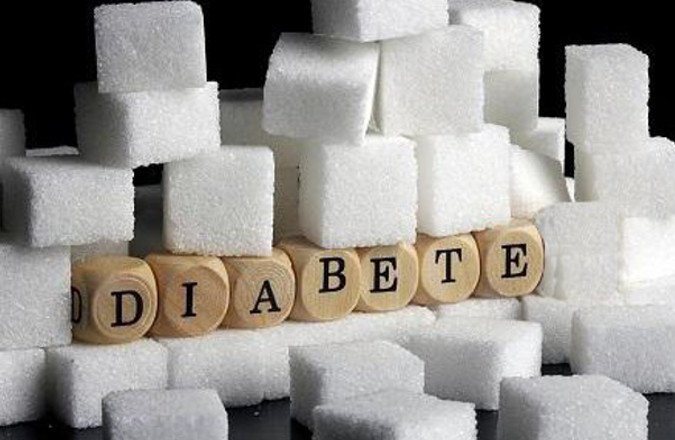
Diabetes also called diabetes mellitus is a group of diseases that result in too much sugar in the blood (high blood glucose). Diabetes occurs either when the pancreas does not produce enough insulin or when the body cannot effectively use the insulin it produces. Insulin is a hormone that regulates blood glucose. Hyperglycaemia, also called raised blood glucose or raised blood sugar, is a common effect of uncontrolled diabetes and over time leads to serious damage to many of the body’s systems, especially the nerves and blood vessels.

The Effect of diabetes on my Late Mother Hand. R. I. P

Eating a lot of sugar cannot directly lead to diabetes but can increases the risk of obesity, cardiovascular disease, and other health problems that are linked to diabetes.

Types of Diabetes

Type 1 diabetes: Type 1 diabetes, once known as juvenile diabetes or insulin-dependent diabetes is a condition in which your immune system destroys insulin-making cells in your pancreas. These are called beta cells. The condition is usually diagnosed in children and young people, so it used to be called juvenile diabetes. The insulin producing cells in the pancreas are destroyed by the immune system. No amount of sugar in the diet – or anything in someone lifestyle – has caused or can cause someone to get Type 1 diabetes.

Type 2 diabetes: Type 2 diabetes (formerly called non-insulin-dependent, or adult-onset) results from the body’s ineffective use of insulin. Sugar doesn’t directly cause Type 2 diabetes, but people are more likely to get it if they are overweight. People gain weight when they take in more calories than what the body needs, and sugary foods and drinks contains a lot of calories.

Reasons Why Too Much Sugar Is Bad

What is Sugar

Sugar is sucrose, a disaccharide, made up of two sugars (glucose and fructose) bound together, that is naturally made by and found in all green plants. Sugar found in the food supply is harvested from sugar beets and sugar cane. Experts believe that sugar consumption is a major cause of obesity and many chronic diseases, such as diabetes.

Why Too Much Sugar is Bad

The reasons why too much sugar is bad includes:

1. It Can Cause Weight Gain: Consuming too much added sugar, especially from sugary beverages, increases risk of weight gain and can lead to visceral fat accumulation.

2. It May Increase The Risk of Heart Disease: Consuming too much added sugar increases heart disease risk factors such as obesity, high blood pressure and inflammation. High-sugar diets have been linked to an increased risk of dying from heart disease.

3. It Has Been Linked to Acne: High-sugar diets can increase androgen secretion, oil production and inflammation, all of which can raise your risk of developing acne.

4. Increases The Risk of Diabetes: A high-sugar diet may lead to obesity and insulin resistance, both of which are risk factors for diabetes.

5. May Increase The Risk of Cancer: Too much sugar can lead to obesity, insulin resistance and inflammation, all of which are risk factors for cancer.

6. May Increase The Risk of Depression: A diet rich in added sugar and processed foods may increase depression risk in both men and women.

7. May Accelerate the Skin Aging Process: Sugary foods can increase the production of AGEs, which can accelerate skin aging and wrinkle formation.

8. Can Increase Cellular Aging: Eating too much sugar can accelerate the shortening of telomeres, which increases cellular aging.

9. Drains Energy: Foods high in added sugar quickly spike blood sugar and insulin levels, leading to increased energy. High-sugar foods can negatively impact your energy levels by causing a spike in blood sugar followed by a crash.

10. It Can Lead to Fatty Liver: A high intake of fructose has been consistently linked to an increased risk of fatty liver. Eating too much sugar may lead to NAFLD, a condition in which excessive fat builds up in the liver.

11. Other Possible Health Risks: Aside from the risks listed above, sugar can harm the body in countless other ways. Consuming too much sugar may worsen cognitive decline, increase gout risk, harm kidneys and cause cavities.

Baked Nigerian Moi Moi

Bean is an important agricultural crop in many countries, especially in those countries with high levels of consumption. Beans are classified as a legume, along with peas, peanuts, and lentils. They are the seeds of flowering plants in the Fabacea family. Beans typically grow in pods with more than one bean inside. They are rich in fiber and B vitamins, helping to reduce cholesterol and blood sugar levels.

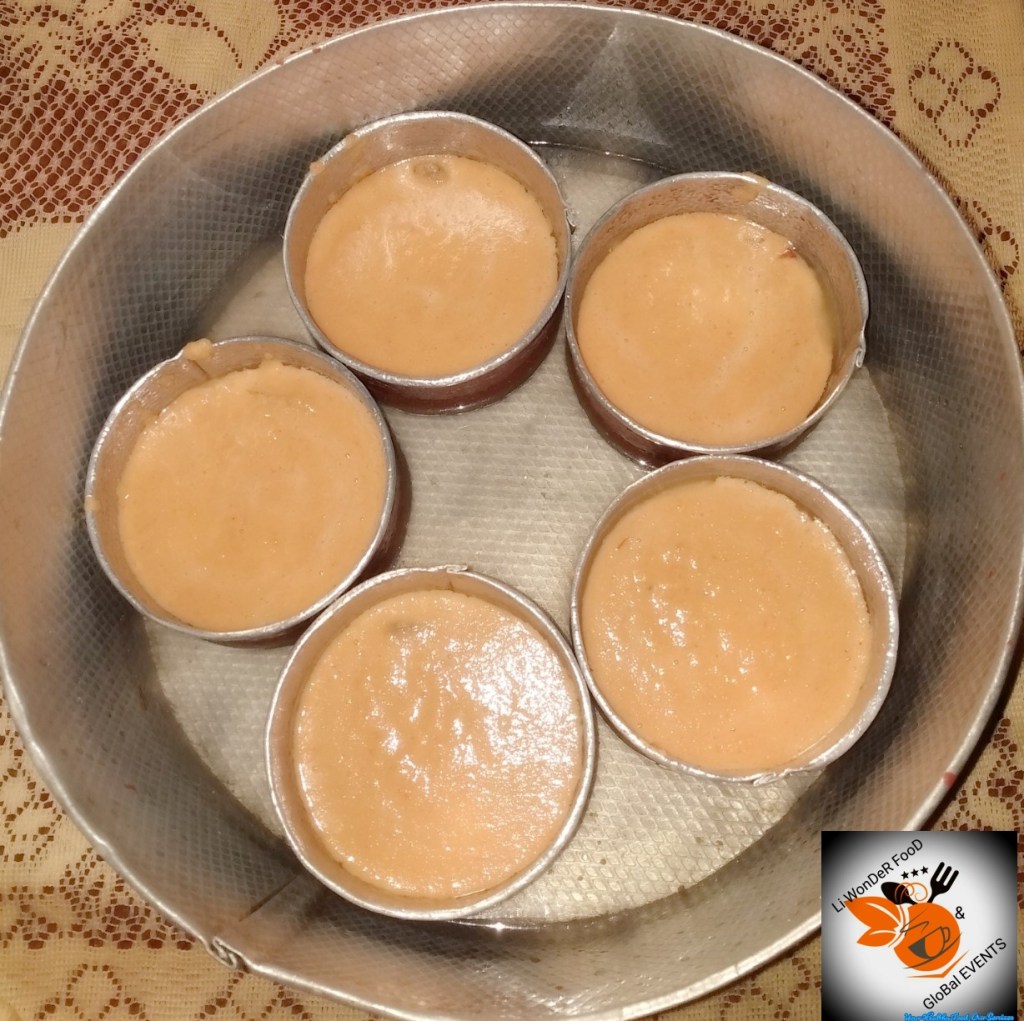
Bean cake popularly known as Nigerian Moi Moi (also Moin Moin) is a great dish accessory in Nigeria. Due to its popularity, Moi Moi is often served at parties, dinners and other special occasions.

Moi Moi can be very challenging to prepare because everything is mixed off the stove before cooking. If the mixing is wrong, there is no going back once cooking or baking commence. LIWONDER FOOD ‘N’ GLOBAL EVENTS can be consulted for mentoring and our day mentoring is affordable and cheap.

Note on the ingredients

  1. The red bell pepper is to add colour and a nice flavour to the baked Moi Moi. Use tatashe if you are in Nigeria, if these two are not available to use, use tinned tomato puree. But use that sparingly else the Moi Moi will have a tangy tomato taste.
  2. When grinding the beans, use water that will be enough to help blades the beans if using blender. To get a delicious taste, use tasteless and odourless vegetable oils like the vegetable oils sold in Nigeria, for example kings oil, power oil and sunflower oil. Do not use olive oil as part of the ingredients.

Tools and Equipment for Baked Nigerian Moi Moi

  • Oven
  • Small size baking pan or any other container e.g muffin cup
  • Aluminium foil
  • Brush
  • Measuring cup to dish
  • Blender (if using beans seeds)

Containers in different shapes and sizes can be used to bake Moi Moi in the oven but bear in mind that if you use a cake pan and fill it with Moi Moi mix, you will need to bake the Moi Moi for much longer than muffin cups. Muffin cups does not stay longer in the oven.

Serve immediately or store in the freezer. Nigerian Moi Moi stores well in the freezer. It can be serve with jollof rice, fried rice, fried plantain, custard, akamu (pap, ogi). It can also be eaten as a snack with soft drinks, chilled fruit juice or coconut juice.

Differences Between Butter and Margarine

Butter is a dairy product that manufacturers make by churning cream or milk to separate the solid components from the liquid. The churning process separates the butterfat (the solids) from the buttermilk (the liquid). People commonly use butter in cooking, baking, and as a spread.

Margarine is a substitute for butter. Manufacturers make margarine from plant-based oils, such as canola oil, palm fruit oil, and soybean oil. Both products seem to have advantages and disadvantages for health.

Although butter and margarine have different components, but both contains large amount of different fats. There are still controversies and differing medical perspectives regarding whether butter is more or less healthful than margarine.

Differences Between Butter and Margarine

The most important difference between the two is that butter is derived from dairy and is rich in saturated fats, whereas margarine is made from plant oils. It used to contain a lot of trans fats, but as mentioned above, manufacturers have now started phasing these out.

According to the article of the American Heart Association (AHA) presidential advisoryTrusted Source it suggests that saturated fat raises Low Density Lipoprotein (LDL) cholesterol levels is due to its effects on overall levels of cholesterol in the arteries. However, saturated fat increases Low Density Lipoprotein (LDL) cholesterol levels less than trans fats, and it does not affect High Density Lipoprotein (HDL).

Conclusion

There is no 100% healthful option when it comes to butter or margarine. However, a person can choose the most beneficial option for their diet and needs. The type of fat found in butter and margarine is a defining factor that sets them apart. Butter is derived from animal fat, while margarine is made with vegetable oil. This difference has an impact on taste, texture, and nutrition.


The Journey Begins

Thanks for joining me!

Lily Douere Bandotubo is an agriculturist, an entrepreneur, an author, a blogger. 

The food and health blog (LIWONDER FOOD HEALTH BLOG) will focus on agriculture and catering products including health information. This is because getting the vital health information leads to eating right. According to Rohit Sharma “Good health is a crown on the head of a well person that only a sick person can see”. Then, according to Virgil  “The greatest wealth is health” while according to Hippocrates “Health  is the greatest of human blessings.”

The farmer and chef relationship is very vital when it comes to eating right because the chef also requires most agricultural products in preparation of food either baked, fried or cooked food which could be snacks, vegetables, rice, soup etc.