
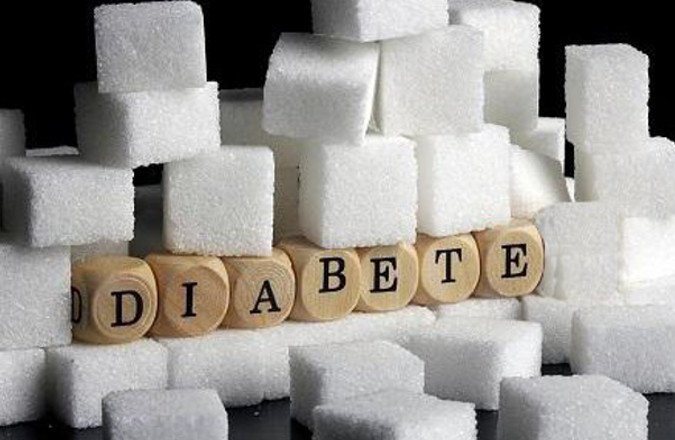
What is sugar?
Sugar is found naturally in fruit, vegetables and dairy foods. It’s also added to food and drink by food manufacturers, or by ourselves at home. Sugars mostly make up carbohydrates which are either simple or complex.
Simple carbohydrates are fast – digesting sugars. Sugars such as glucose and fructose are examples of simple sugars while complex carbohydrates are naturally occurring sugars in whole foods that takes longer time to digest. Carbohydrates are a broad category of macronutrients so it cannot be eliminated completely but the intake can be reduced.
White sugar, also called granulated sugar or table sugar, is made from refined sugar cane or sugar beets while caster sugar is a refined white sugar with especially small granules that is often used in baked goods, drinks, and desserts like mousse and custard, and is strongly preferred for meringues.
Types of Sugar
- Glucose
- Fructose (known as fruit sugar)
- Sucrose (known as table sugar)
- Lactose (known as dairy sugar)
What is Diabetes
Diabetes also called diabetes mellitus is a group of diseases that result in too much sugar in the blood (high blood glucose). Diabetes occurs either when the pancreas does not produce enough insulin or when the body cannot effectively use the insulin it produces. Insulin is a hormone that regulates blood glucose. Hyperglycaemia, also called raised blood glucose or raised blood sugar, is a common effect of uncontrolled diabetes and over time leads to serious damage to many of the body’s systems, especially the nerves and blood vessels.
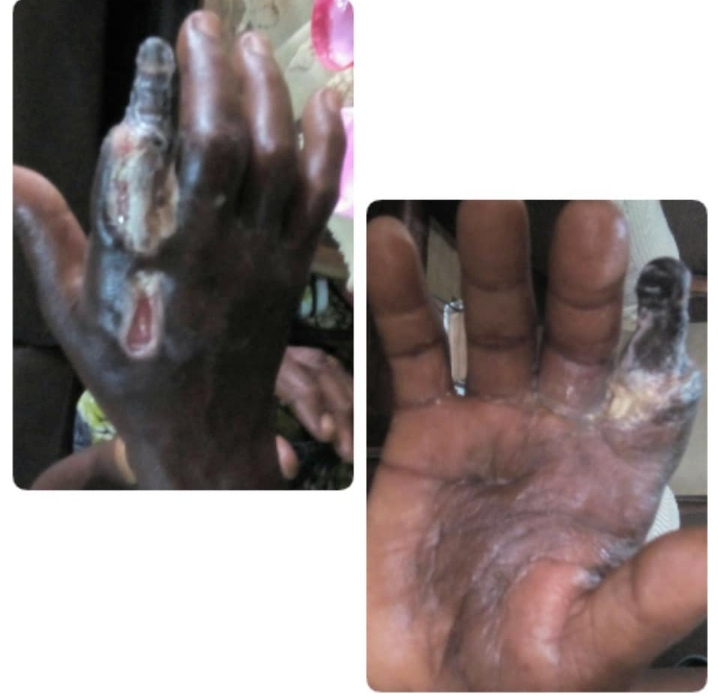
The Effect of diabetes on my Late Mother Hand. R. I. P
Eating a lot of sugar cannot directly lead to diabetes but can increases the risk of obesity, cardiovascular disease, and other health problems that are linked to diabetes.
Types of Diabetes
Type 1 diabetes: Type 1 diabetes, once known as juvenile diabetes or insulin-dependent diabetes is a condition in which your immune system destroys insulin-making cells in your pancreas. These are called beta cells. The condition is usually diagnosed in children and young people, so it used to be called juvenile diabetes. The insulin producing cells in the pancreas are destroyed by the immune system. No amount of sugar in the diet – or anything in someone lifestyle – has caused or can cause someone to get Type 1 diabetes.
Type 2 diabetes: Type 2 diabetes (formerly called non-insulin-dependent, or adult-onset) results from the body’s ineffective use of insulin. Sugar doesn’t directly cause Type 2 diabetes, but people are more likely to get it if they are overweight. People gain weight when they take in more calories than what the body needs, and sugary foods and drinks contains a lot of calories.



 LIWONDER FOODHEALTH BLOG