
Category Archives: AGRICULTURE

Processed Agricultural Products Used in Baking Industry

What are Processed Agricultural Products

Processed agricultural products are non-agricultural food and drink items made out of agricultural products. The Agro – processing unit is in charge of developing raw agricultural products into improved food products through research. For any processing to be done, the raw agricultural products must be washed, cleaned, milled, cut, chopped, heated, pasteurized, blanched, cooked, canned, frozen, dried, dehydrated, mixed or packaged – which alters their natural state. Almost all food is processed in some way before it is eaten. Example, cassava can be processed into garri, starch or flour for baking.

Reasons for Processing Agricultural Products

Many agricultural products either from fishes, crops, animals or vegetables must be processed either by Cooking, canning, smoking, drying and blending before they can be used. This is because they are perishable and are only suitable for consumption over a short period of time. The reasons why Agricultural Products are processed includes:

  • Processed agricultural products can be easier stored when compared to unprocessed food.
  • Processed agricultural products helps to preserve and increased their lifespan.
  • Processed agricultural products helps to reduce food wastage.
  • Processed agricultural products helps to extends the season they will be available.
  • Processed agricultural products enables the production of different kinds of food.
  • Processed agricultural products helps to improve the quality and taste of the farm products.

Some Processed Agricultural Products for Baking

Some Processed agricultural products includes flour, sugar, milk, butter, corn flour, sesame oil, soy sauce, chocolate, etc.

Flour
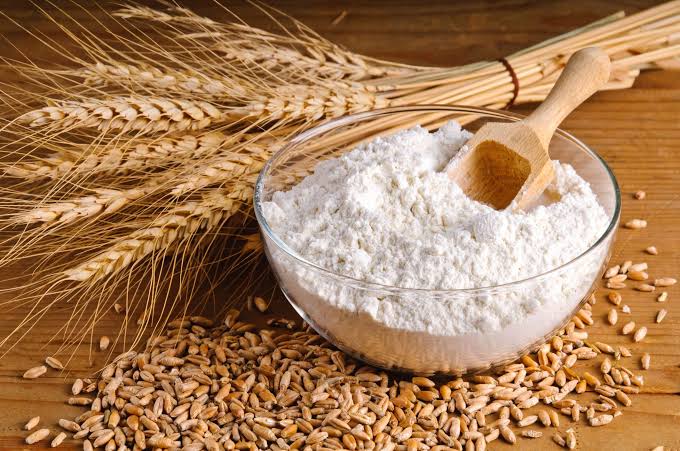
Wheat is a grain plant that is commonly used to processed flour for baking cakes, breads, dough nuts, egg rolls, fish pies, puff puff etc. Flour is one of the most important ingredients for baking. All – purpose flour is the most widely used flour.

Sugar
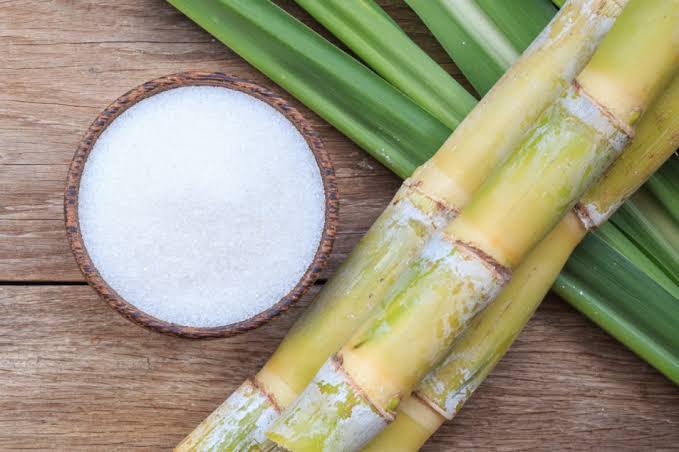
Sugar beets and sugar cane are the main crops used to processed sugar. Sugar is also an important ingredients that adds colour, taste, flavour to baked products. Sugar can be substituted with honey.

Milk
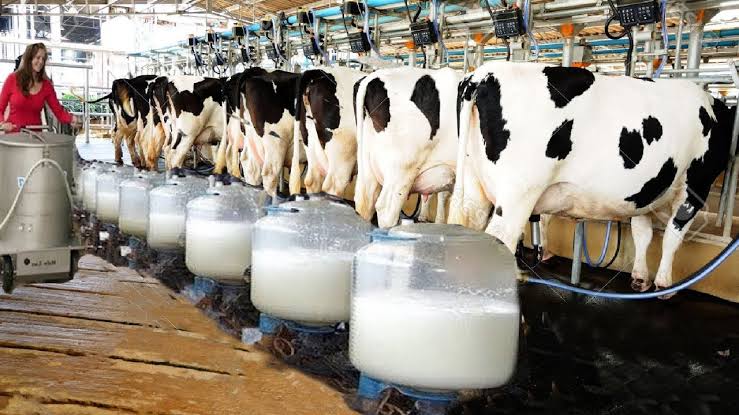
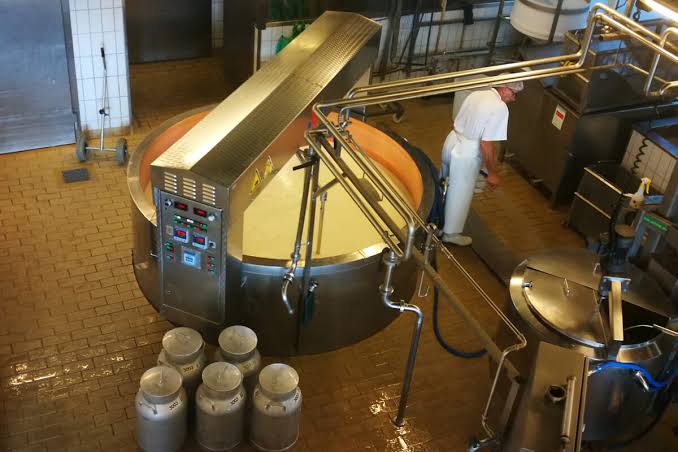
Milk are processed from animals such as cattle, sheep, camel etc which helps improved the texture of baked goods These milk can further be processed into cheese used for fillings pastries such as pizza and coffee cakes etc

Butter

Butter are processed from cow which helps provides richness, tenderness and structure to cookies, cakes, pies and pastries, It also lengthen shelf life. Commercial butter that is commonly use in baking generally has over 80% fat with the rest being water that’s emulsified into the fat.

Corn Flour
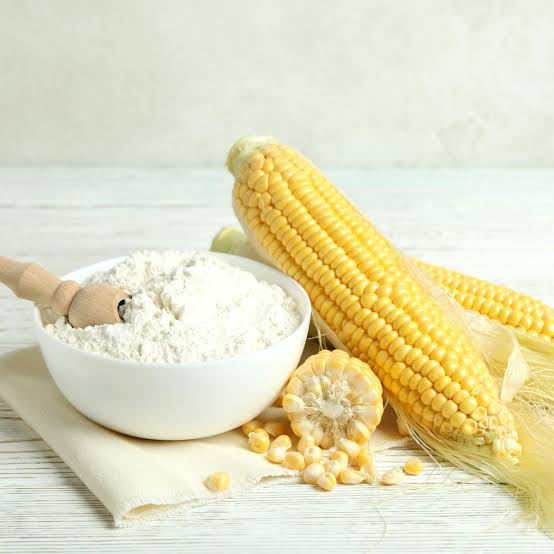
Corn flour or cornstarch are processed from a tall annual cereal grass plant called corn or maize (Zea mays). Corn flour is used as a thickening agent, but it can also be used in baked goods like cookies, brownies and cakes. It can be used as substituted for wheat flour.

Sesame Oil
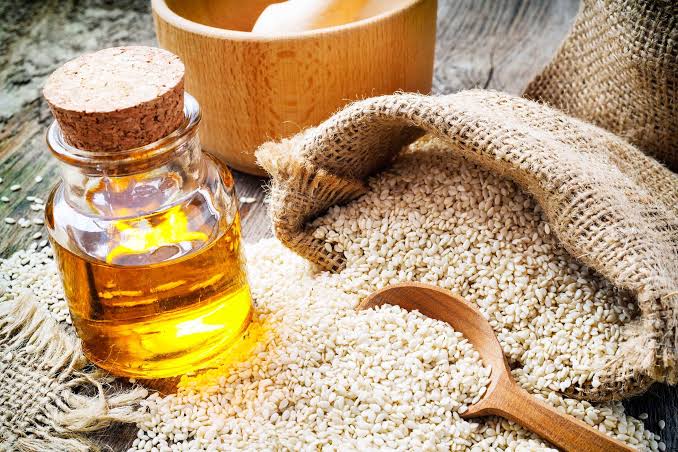
Sesame oil is processed from sesame seeds which are small, flavorsome oilseeds from the sesame herbaceous plant (Sesamum indicum L.). These seeds can often be found in bread. For example, these seeds are sprinkled on hamburger buns. They are sometimes toasted and used in salads and for meat pie sauce fillings.

Soy Sauce
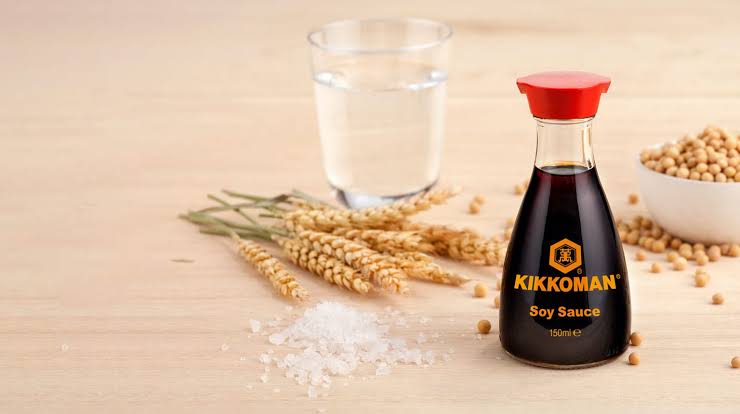
Soy sauce is processed from fermented soybeans and wheat. It can be used to replace the pinch of salt in your baking mixture. It add colour to meat pie sauce fillings.

Chocolate
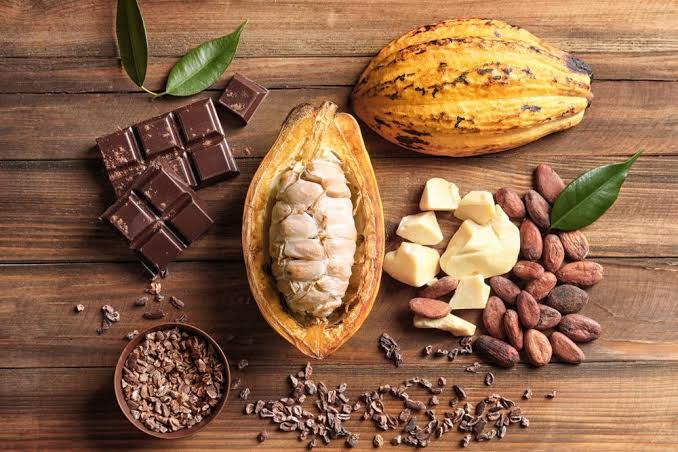
Chocolate is processed from cocoa, an evergreen tree in the Malvaceae family that is grown for its seeds (beans), which are primarily used in the production of chocolate. Chocolate is used primarily as an ingredient in recipes such as brownies, cakes, and frostings in baking.

Vegetables
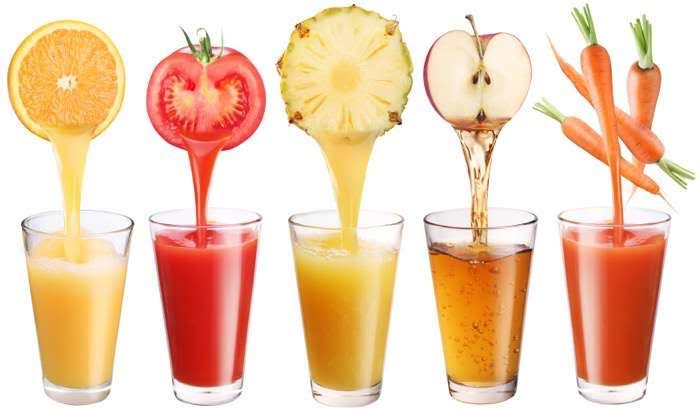
Juice and Smoothie can be processed from vegetables, which can be served along side with baked products. Accounting for over 90 percent of the non-fruit juice trade, the most popular vegetables processed into juice are tomatoes, beets and carrots with their blends widely used in the preparation of tomato-, beet- and carrot-based juices, smoothies, beverages, sauces, baby food, and many other food products.

Conclusion

The transformation of agricultural products into food and services is very vital in the baking industry.
Modern Technology in Agriculture

Modern technology involves the use of machines that are designed and built with scientific and engineering knowledge which includes information technology based on software, computers and networks.

Modern technology has impacted every area of our lives including Agriculture. It is all about farming in a much quicker and efficient way by improving the workflow which could be helping humans or doing the task alone.

In terms of accuracy and efficiency machines are always better when compared to humans. The introduction of new and improved technologies has increased the production and productivity of crops and reducing the cost of production.

The American farming market is one of the pioneers in the implementation of advanced technologies in agriculture. Its cultivation industry has experienced a colossal transformation due to the growing demand for ‘green’ farming practices, rising population, and high-income increase. Diverse agricultural start-ups and technology innovators are creating new intelligent systems. As a result, farmers can improve the production yield by enhancing inputs and a well-planned market strategy.

The USA Smart Farming market is anticipated to reach $11.93 billion by 2023. The agricultural market is very dynamic, and we can expect to see even more technological development in the years to come. Because of the growing world’s demands and digital evolution, the Smart Farming market is estimated to grow at a CAGR of 12.36% during the forecast period, 2020-2026.

Types of Modern Technology in Agriculture

The use of technology is a booster dose for fishery, aquaculture, animal breeding and crop farming. Smart technology is the key to better productivity and disease management. The following are types of Modern Technology that can be use in

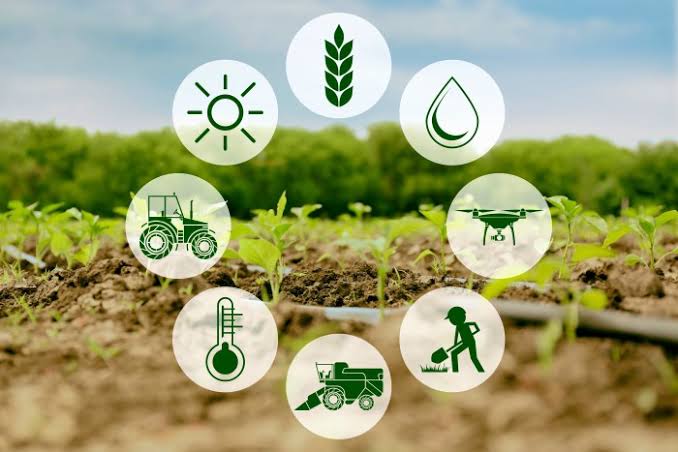
IoT Sensors: These can be use to collect data – on levels of salinity, dissolved oxygen, water pH and temperature, to name a few. The latest technologies of IoT Sensors can even monitor the metabolism and heart rate of the stock. These insights enable farmers to take timely actions to create an ideal environment for their aquafarms, yielding better results.

GPS Technology; GPS in agriculture allows farmers to precisely navigate to specific locations year after year in the field to collect soil samples or monitor crop conditions. It helps in locating the field boundaries and applying fertilizers, pesticides, and herbicides accurately. This reduces wastage and increases efficiency.

Unmanned Aerial Vehicles (UAVs): It is commonly referred to drones is an aircraft without any human pilot, crew, or passengers on board. The drones are used keep crops healthy by dispersing water, fertilizer, and pesticides, mapping, monitoring soil health, research purpose etc.

Weather Monitoring: Weather is the most important element that affect crop production which cannot be control by a farmer. Farmers can access weather data on weather apps, websites, weather forecast from TV, computer, mobile, radio etc. Based on weather information, farmers can plan times for sowing, protection, harvesting, and other field activities in order to avoid negative weather effects and yield losses.

Soil Sensors: Soil sensors are used to measure soil moisture levels, temperature and other factors that affect crop growth. Depending on the technology category, some sensors that measure volumetric water content while some sensors that measure soil tension when placed in the soil profile.

Agricultural Robots: Robots are developed to replace tasks done by humans on farmlands. Many years back, farmers use their family to cultivate farmlands before the introduction of farm tools and now modern technology like robots is used to enhance productivity.

Conclusion

Farm automation is also known as smart farming. It is associated with Smart Farming. Farm automation uses drones, robotics, and software as a way to transform the current agriculture industry. Along with autonomous tractors, harvesting can be done with a push of a button. These harvesters are allowing farmers to save on labor costs.

Agricultural sector now understands that using automation will leads to change and efficient productivity. Gone are the days of farming practices damage resources but now, there is a significant concern to protect the planet from climate change and high demand for quality food. With all these issues at the forefront, farming automation leads the charge to a more sustainable agricultural industry. 

Farmer and Chef Relationship

A farmer is a person engaged in agriculture, raising living organisms for food or raw materials. Farmers are the backbone of our society. They are the ones who provide us all the food that we eat. Some farmers grow a range of crops, other breed fishes, while other rear animals and produces dairy cows and sell their milk.

Nigeria has 70.8 million hectares of agriculture land area with maize, cassava, guinea corn, yam beans, millet and rice being the major crops. Nigeria’s rice production rose from 3.7 million metric tons in 2017 to 4.0 million metric tons in 2018. Inspite of this, only 57 percent of the 6.7 million metric tons of rice consumed in Nigeria annually is locally produced leading to a deficit of about 3 million metric tons, which is either imported or smuggled into the country illegally. To stimulate local production, the Government banned importation of rice in 2019.

A chef is a highly skilled person who is in charge of food production in a commercial kitchen of a restaurant, hotel, resort, hospital or cruise ship. The word “chef” is derived from the term chef de cuisine, the director or head of a kitchen. A chef oversees a restaurants kitchen and these includes planning the menu, maintaining the budget, pricing menu items, preparing food, purchasing supplies, ensuring quality of service, ensuring safety, and managing staff.

Farmer to Chef

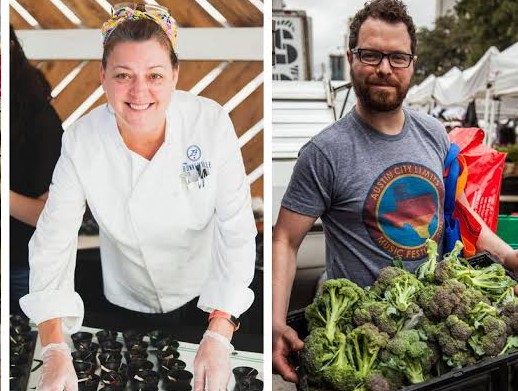
A chef who is curious about where local food comes from should see the farm in person. A farm visit is a great way to connect chefs with unique aspects of serving local food.

In person conversation between the farmer and the chef, regardless of whether it’s on or off the farm, should always include a sample and anecdote about the farm product that relates to the restaurant’s cuisine.

Relationship Between Farmer and Chef

Once a relationship is established, many farms and wholesale cooperatives include chefs in pre-season production planning to determine the kind and the quantity of product a chef will purchase during the growing season.

Standard ingredients (i.e. garlic, potatoes, onions) are generally not the champion ingredient of a restaurant’s dish but are products from the farm.

Every farm requires by the chefs to prepare local and intercontinental dishes has a growing season.

Every restaurant is different, which is a good reason to know the type of food a chef cooks before making a pitch. It’s also a good reason for a farmer to draw on passion – food is an experience. A farmer can increase interest in products by explaining attractive attributes including a product’s heritage, traditional and unconventional uses, and how it fits into the farm’s growing scheme (not only seasonal but appropriate for climate, soil, better taste etc.).

Farmers and chefs should discuss on-farm post-harvest handling (i.e. cleaning protocol, storage, presence of pests etc.).

A good farmer-chef relationship is often personal, but maintained by an explicit arrangement. Clear communication and effective systems help each person get what they need from the exchange.